
by createabil | Jan 5, 2021 | Blog, Mental Health, Technology
It’s the beginning of a new year so I spent a few moments in silence this morning; reflecting and praying for the families and friends of the many people who lost their lives over the past year. Initially, it feels as if the world will be just a bit dimmer without...

by createabil | Dec 15, 2020 | Assistive Technology, Blog, Electronic Job Coach, Institutional Care, Intellectual Disabilities, Soft Skills, Technology, Vocational Rehabilitation
1.) Assistive Technology affords the person being served the ability to have their plans in front of them at all times. Antiquated, printed copies of care plans on are not mobile - and are not as easily changed as the person-served accomplishes their goals....
by createabil | Dec 2, 2020 | Assistive Technology, Blog, Intellectual Disabilities, Soft Skills, Technology
Hi, I’m Steve Sutter, and I have problems saying no. (Others: “Hi, Steve…”) What’s worse is that because I can’t say no, I say yes. I say yes, A LOT. It seems that the only people that I say no to are those that I love and care for the most. That’s...
by createabil | Nov 19, 2020 | Aging-in-Place, Assistive Technology, Seniors, Technology
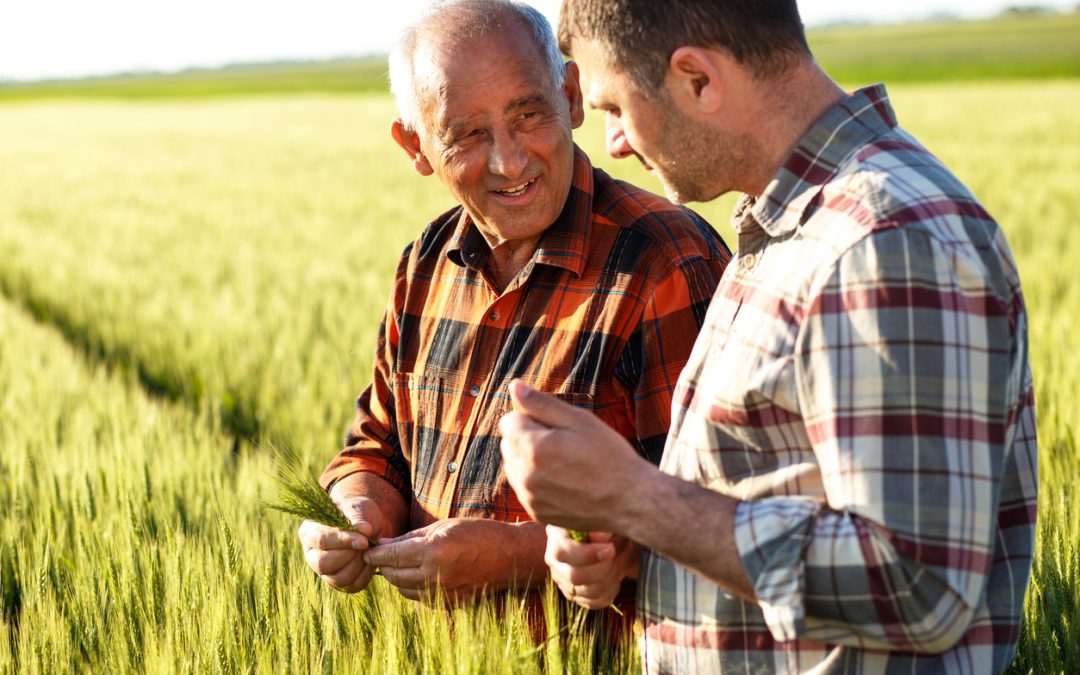
Rural-Health-Mate was developed under a grant from a division of the USDA that is focused on rural living for the purpose of improving the health and wellbeing of the elderly population in rural America. The technology bore from this project/grant was used to collect...
by createabil | Aug 25, 2020 | Assistive Technology, Institutional Care, Intellectual Disabilities, Technology
As many states consider the benefits of technology, it can be a bit scary to those in the technology adoption hot seats. I totally get it – it’s easy to become infatuated with emerging technologies, but can I make a confession? It’s exhausting to track and make...
by createabil | Aug 7, 2020 | Group Homes, In Home Care, Institutional Care, Intellectual Disabilities, Press Releases, Technology
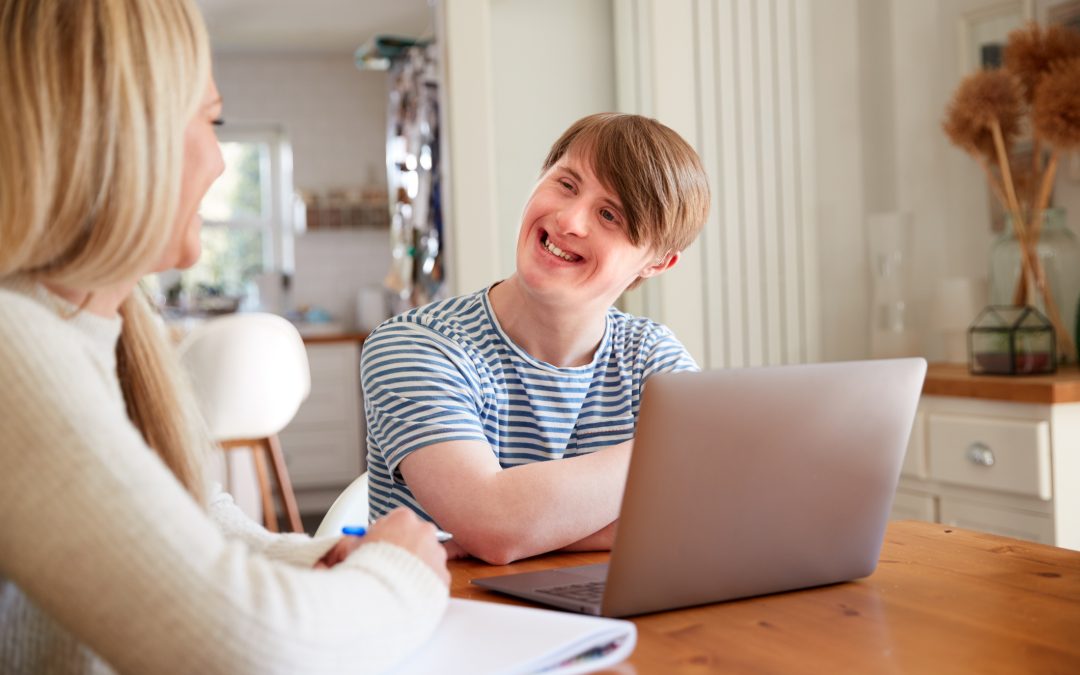
DSPs and support staff members’ jobs are not just to keep their clients safe and healthy, but to also work with them on establishing goals for themselves and working to achieve them. Often times, people with IDDs also have a dual diagnosis; another behavioral...