Create Ability INC
  • I need help with…
    • Remote Support
    • Apps for Person-Centered Planning
    • Vocational Supports
    • Supporting older adults
    • Managing Health and Wellness
    • Supporting people with brain injuries
    • Supporting people with Intellectual disabilities
  • Solutions
    • Boundless
    • MeMINDER
    • My Emotional Navigator
    • QMinder
    • The Employment Suite
    • Employment Pathfinder
    • Flourish
    • Evalu8Now
    • ConnectAbility
    • All-Solutions
  • Enabling Technology Resources
    • Createability Blog
    • Case Studies
  • Who We Serve
    • Intellectual & Developmental Disability Providers
    • Group Home Organizations
    • Managed Care Organizations
    • Nursing Homes & Long-Term Care Facilities
    • Rehabilitation Facilities
    • Schools & Transition Programs
    • State Disability & Aging Programs
  • Contact Us
  • Support
Select Page
USE CASE:  How Agencies are Utilizing avatalk Above-and-beyond Remote Communication

USE CASE: How Agencies are Utilizing avatalk Above-and-beyond Remote Communication

by createabil | Oct 20, 2020 | Assistive Technology, Blog, Intellectual Disabilities, Seniors

Avatalk is one of CreateAbility’s most user-friendly apps in both use and implementation. It was designed as a tool to non-intrusively engage the person being served and solicit quick responses to important questions from an avatar-led platform. (To see avatalk in...

How the Pandemic Fostered My Empathy for People with Autism

How the Pandemic Fostered My Empathy for People with Autism

by createabil | Jun 19, 2020 | Assistive Technology, Intellectual Disabilities, Technology, Uncategorized

I don’t know about you, but I am tired of hearing the phrase “the new normal”.  Sure, I miss hugging my elderly parents, I miss my weekly “dine-out” night, and I’m a music junkie so the live music scene beckons me.  Yet, I’ve noticed some changes in the world around...
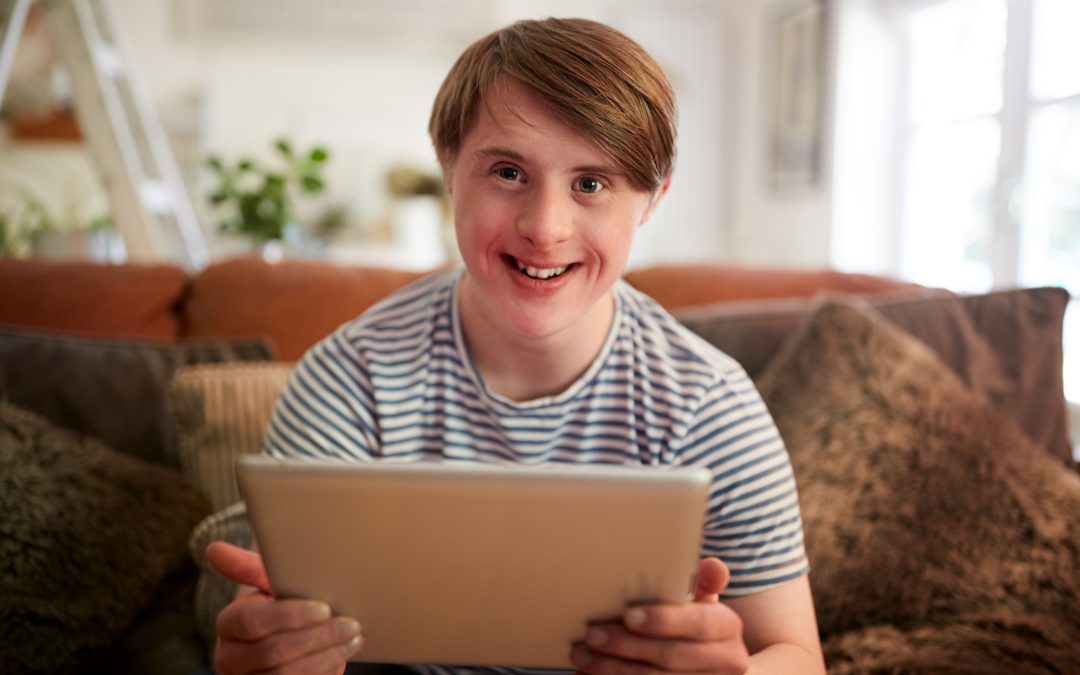
Why Measuring Clients’ Emotional Well-being is an Important Part of Their Treatment Plan

Why Measuring Clients’ Emotional Well-being is an Important Part of Their Treatment Plan

by createabil | Apr 20, 2020 | Intellectual Disabilities, Research, Technology

A physician provides his/her diabetic patients with home glucose monitors to measure blood sugar and weigh the efficacy of prescribed meds and diet. Cardiologists issue blood pressure devices to keep tabs on their patients’ heart function between appointments. But...
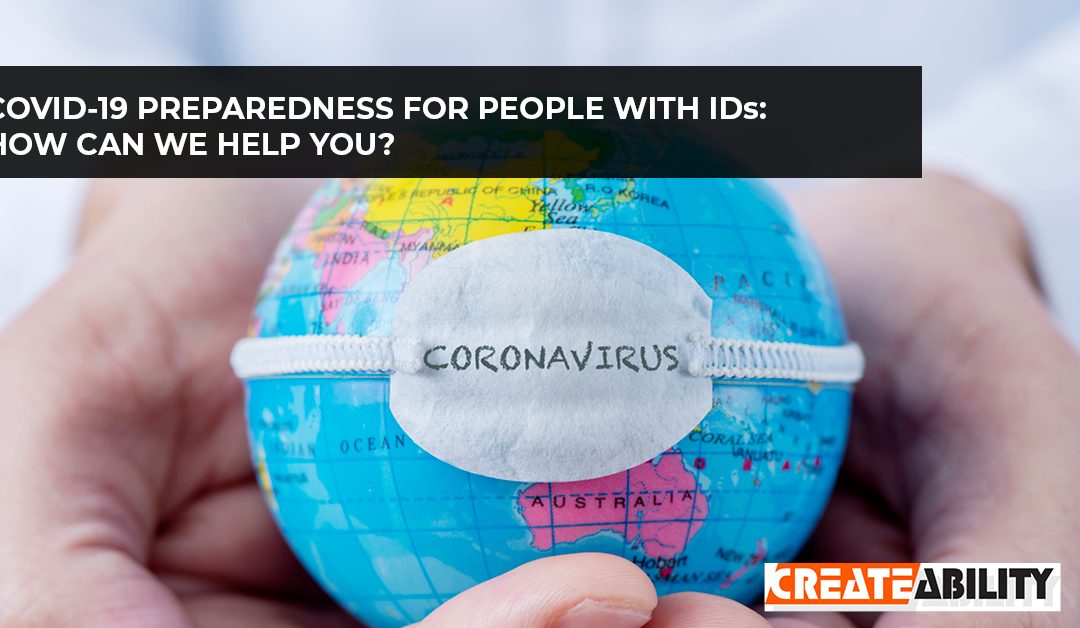
COVID-19: Words of Encouragement and Complimentary Help from CreateAbility

COVID-19: Words of Encouragement and Complimentary Help from CreateAbility

by createabil | Mar 20, 2020 | Assistive Technology, In Home Care, Institutional Care, Intellectual Disabilities

Through these times, our very FIRST thought is of YOU.  The degree of selflessness you demonstrate as you care for groups of people with intellectual disabilities, some of which who may be high risk, while trying to maintain balance in your own lives does not go...

CreateAbility, Inc. Launches First-of-its-kind Communication Platform for People with Intellectual Disabilities

by createabil | Oct 17, 2019 | Group Homes, In Home Care, Institutional Care, Technology

INDIANAPOLIS, October 15th, 2019 – CreateAbility, Inc., a technology company located in Indianapolis, recently launched its new communication platform, avatalk, that helps people in the circle of care of a resident with an intellectual disability, to quickly and...

Recent Posts

  • The Power of One: How Boundless Combines the Best of MeMinder, Flourish, and ConnectAbility Into a Single Transformational Platform
  • How Enabling Technology’s Real-Time Remote Monitoring Dashboards Are Transforming Care
  • What Independence Really Means to People With Intellectual Disabilities
  • Empowering Employment: Enabling Technology for TBI and Neurodiversity
  • How Enabling Technology is Transforming Life After Traumatic Brain Injury (TBI)

Recent Comments

No comments to show.

Archives

  • September 2026
  • August 2026
  • July 2026
  • June 2026
  • May 2026
  • March 2026
  • February 2026
  • January 2026
  • December 2025
  • November 2025
  • October 2025
  • September 2025
  • August 2025
  • July 2025
  • June 2025
  • May 2025
  • March 2025
  • November 2024
  • August 2024
  • July 2024
  • June 2024
  • May 2024
  • April 2024
  • February 2024
  • January 2024
  • December 2023
  • November 2023
  • October 2023
  • August 2023
  • July 2023
  • May 2023
  • April 2023
  • November 2022
  • July 2022
  • June 2022
  • May 2022
  • March 2022
  • January 2022
  • November 2021
  • October 2021
  • September 2021
  • August 2021
  • July 2021
  • June 2021
  • April 2021
  • March 2021
  • February 2021
  • January 2021
  • December 2020
  • November 2020
  • October 2020
  • August 2020
  • July 2020
  • June 2020
  • May 2020
  • April 2020
  • March 2020
  • February 2020
  • January 2020
  • December 2019
  • October 2019
  • July 2019
  • June 2019
  • May 2019
  • September 2018
  • June 2018
  • March 2018
  • October 2017
  • July 2017
  • June 2017
  • April 2014
  • May 2013
  • April 2013
  • December 2012
  • November 2012
  • October 2012
  • September 2012

Categories

  • Aging-in-Place
  • Assistive Technology
  • Blog
  • Case Study
  • Charities
  • DD Family Members
  • Electronic Job Coach
  • Enabling Technology
  • Exclude from Blog
  • Group Homes
  • Hospital Care
  • In Home Care
  • Institutional Care
  • Intellectual Disabilities
  • Media
  • Mental Health
  • News
  • Parkinson Disease
  • Person Centered Care plans
  • Press Releases
  • Private Duty Nursing
  • Remote Supports for People With Traumatic Brain Injuries
  • Research
  • Seniors
  • Soft Skills
  • Technology
  • Traumatic Brain Injury
  • Uncategorized
  • Vocational Rehabilitation
  • Facebook
  • X
  • Instagram
  • RSS

Designed by Elegant Themes | Powered by WordPress